



Most wearables have spent the last decade adding more: more apps, more notifications, more things buzzing against your skin. The Google Fitbit Air goes the other way. It is a tiny, screenless band that tracks your health and fitness around the clock and leaves the display to your phone.
Priced at $99.99, this is a somewhat unusual product. Although it lacks a standard watch face, built-in GPS, or ‘tap-to-pay’ functionality, it offers a week-long battery life and a very lightweight design. Whether this trade-off of features is a wise choice depends on what you expect from a wearable device; so, let us examine what the Google Fitbit Air actually offers and what its shortcomings are.
What is the Google Fitbit Air?
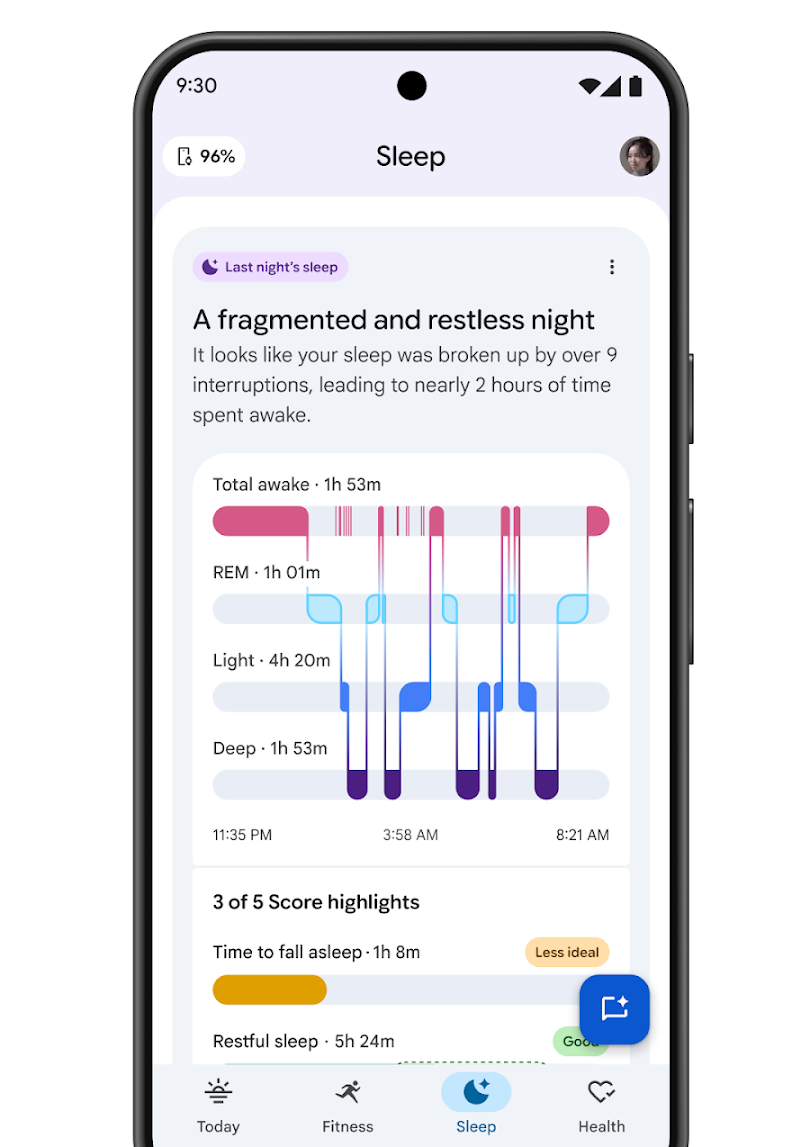
The Google Fitbit Air is an excellent screen-free wearable device designed to monitor the wearer’s health and fitness 24 hours a day. Since it lacks a screen, it transmits data to the app on your mobile phone. It connects with the new Google Health app, which has been introduced to replace the Fitbit app by providing access to your data, trends, and sleep reports.
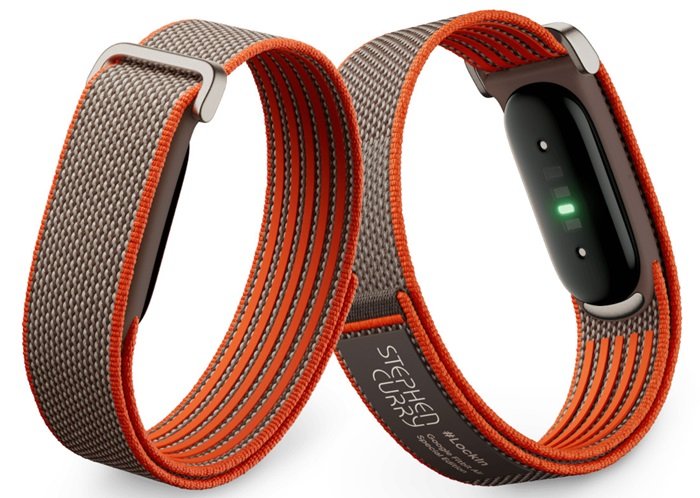
Google presents this as a simpler, more lightweight alternative to traditional smartwatches and other screen-free trackers on the market. Its main advantage is simple: you can access health data without the distraction of constant notifications.
To use it, you need a Google account and the Google Health app. Since the tracker is compatible with Android 11 (or newer) and iOS 16.4 (or newer), it can be used with a wide range of phones, including older models.
What exactly can the Fitbit Air monitor?
Despite being a device without a screen, it features a significant array of sensors. The Google Fitbit Air monitors the following: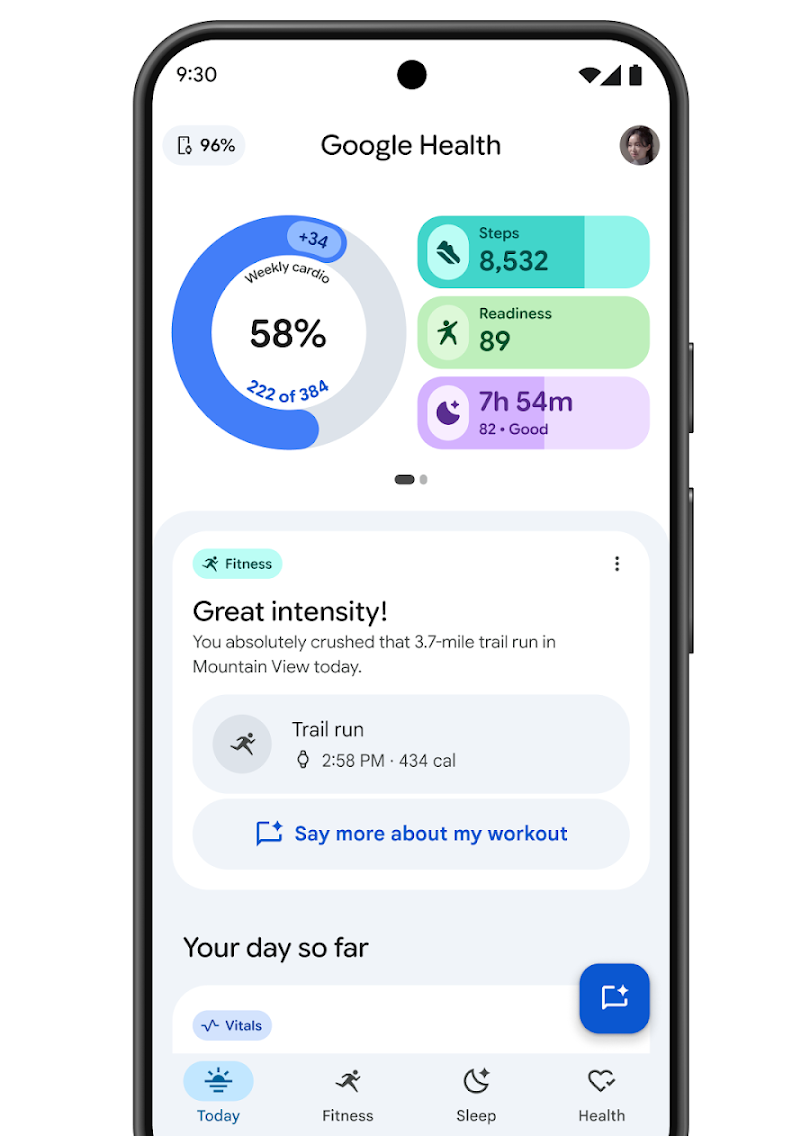
- Heart rate (including resting heart rate)
- Heart rhythm (with alerts for detecting Atrial Fibrillation – AFib)
- Blood oxygen level (SpO2)
- Heart Rate Variability (HRV)
- Sleep duration and sleep stages
HRV measures the variation in time intervals between heartbeats; many people use this metric to assess whether their body is under stress or recovering.
AFib (Atrial Fibrillation) is an irregularity in heart rhythm. Monitoring for it allows for early warnings and symptom detection, prompting you to consult a doctor for further examination. These readings should not be considered a definitive medical diagnosis but rather a guide that encourages seeking medical advice or a professional medical examination. One of the greatest advantages of a device like this is its sleep tracking capability. I find wearing a bulky watch at night uncomfortable, and I imagine many others feel the same way. However, wearing a ‘band’ like this weighing around 12 grams, including the strap, is very comfortable; it is so lightweight and unobtrusive that you might even forget you are wearing it once you fall asleep. Design, Weight, and Battery Life
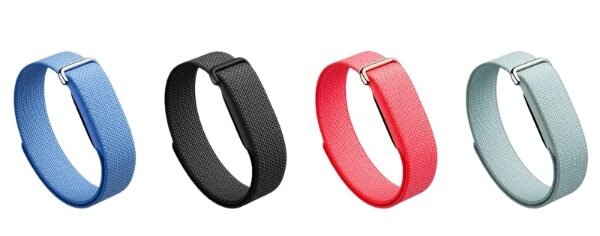
The tracker itself weighs 5.2 grams without the strap, and approximately 12 grams with the strap attached. Measuring 34.9 × 17 × 8.3 mm, it features a compact design that looks more like a simple, elegant piece of jewelry than a typical tech gadget.
Its battery lasts up to seven days, a significant advantage compared to some smartwatches that require charging every day or two. Charging is also very fast; A five-minute charge provides enough power for a full day’s use. Even a brief charges such as while showering or preparing breakfast, is sufficient to keep the device running.
Additionally, it is water-resistant up to a depth of 50 meters, so there is no need to worry about it during activities like showering, washing hands, or being out in the rain. It features Bluetooth 5.0 technology for connectivity.
Fitbit Air at a Glance
|
Specification |
Details |
|
Display |
None (screenless) |
|
Battery life |
Up to 7 days |
|
Quick charge |
5 minutes for up to 1 day |
|
Weight |
5.2g (tracker only), approx. 12g with band |
|
Dimensions |
34.9 × 17 × 8.3 mm |
|
Water resistance |
Up to 50 metres |
|
Connectivity |
Bluetooth 5.0 |
|
GPS / NFC |
Not included |
|
Compatibility |
Android 11+, iOS 16.4+ |
|
App |
Google Health (Google Account required) |
|
US price |
$99.99 |
Google Health Premium and Gemini Coach
Google does not require a mandatory subscription to use the Fitbit Air. Its basic tracking features function without any additional cost—a significant point, given that many wearables lock even basic features behind a monthly fee.
However, an optional upgrade is available. Google Health Premium provides access to advanced Google Health Coach features powered by Gemini, Google’s AI technology. Since every Fitbit Air device comes with a three-month Premium trial, you can test the coaching service to see if it suits your needs and budget before committing.
The practical approach is to treat those three months as a trial period. If you find the coaching service valuable, continuing with the Premium service is worthwhile. Even if you don’t, the tracker will continue to collect your basic health data.
What the Fitbit Air Lacks
It is important to be transparent about the device’s limitations, as they are genuine constraints. The Google Fitbit Air lacks the following features:
- It has no display; therefore, all information must be viewed on your phone.
- It lacks built-in GPS; this affects the tracking of outdoor routes and distances.
- It lacks NFC capability; consequently, contactless payments are not possible.
- Certain advanced AI coaching features are restricted to the Premium service.
The lack of GPS is a major practical drawback, especially for runners and cyclists. Without this feature, the tracker cannot independently record routes. While the lack of NFC may not be a major issue for many, it will be a significant factor for those accustomed to making payments by tapping their wrist.
These omissions aren’t design flaws; they’re deliberate choices. Removing the display, GPS, and payment capabilities reduces the device’s weight and extends battery life. The question then arises: do you actually need those features?
Comparison between Fitbit Air and a Smartwatch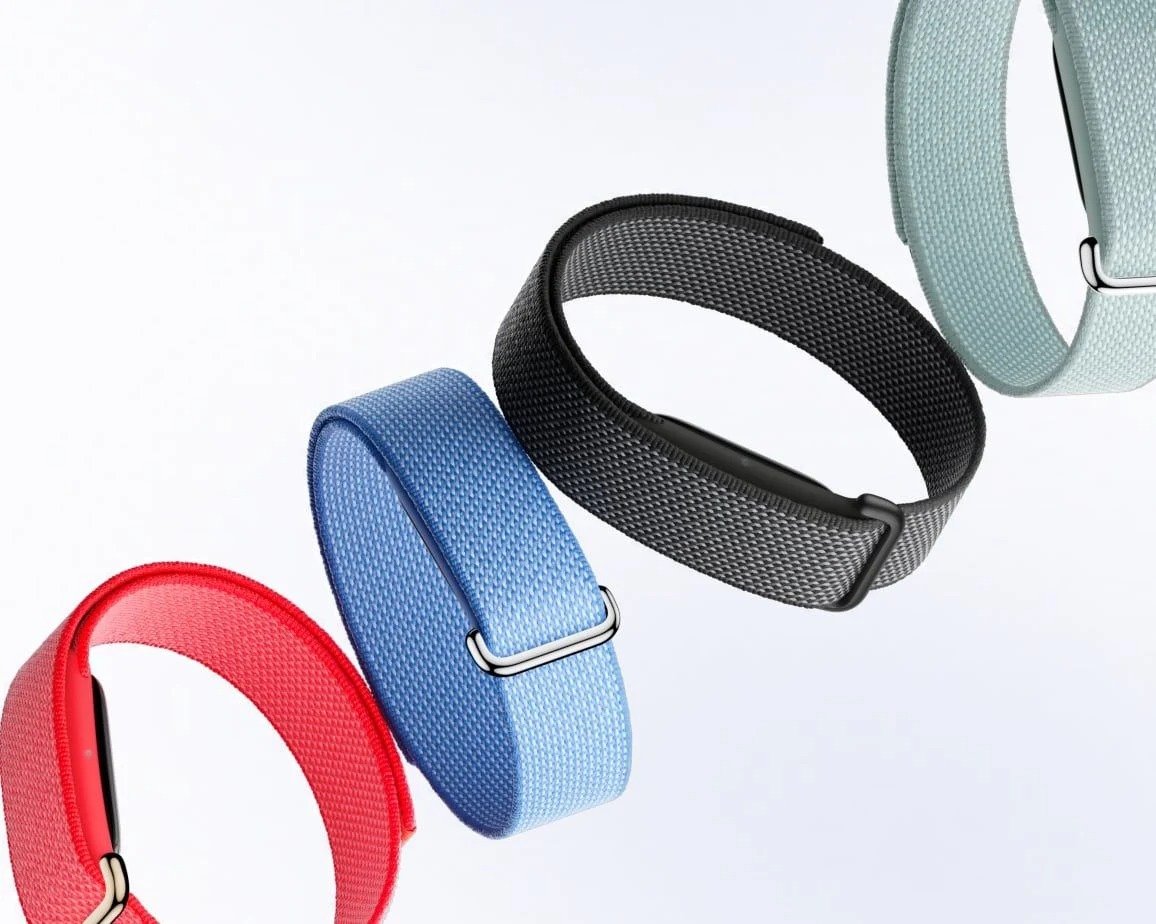
Comparing the Google Fitbit Air to a smartwatch is akin to comparing a paperback book with a tablet computer; while both involve reading, they are designed for different usage patterns.
A smartwatch offers a screen, notifications, and often features like GPS and payment capabilities, but it comes with downsides such as added weight and generally shorter battery life. If you want your wearable device to handle a wide range of functions, a smartwatch is the better choice. However, if you prefer to monitor data unobtrusively without interfering with your daily activities, the ‘Air’ device is an excellent alternative.
|
Feature |
Fitbit Air |
Smartwatch |
|
Screen |
None (requires app) |
Yes (for notifications, apps, etc.) |
|
Battery Life |
Up to 7 days |
Typically 1–3 days |
|
Health Monitoring |
Heart rate, sleep, SpO2, activity |
Comprehensive (ECG, blood pressure, etc. |
|
AI Integration |
Google Health Coach |
Smartwatch-specific AI features |
|
Price |
$99.99–$129.99 |
$200+ (varies by model) |
Google has introduced this device as a simple alternative to other competing screenless trackers. Its advantages and disadvantages compared to specific rival products depend on factors such as price, subscription terms, and the app experience; therefore, it is worth comparing current offers before making a purchase.
Price and Availability
In the United States, the Google Fitbit Air is being launched at a price of $99.99, which includes a three-month trial of Google Health Premium. It can be considered a reasonably priced device for monitoring heart health, sleep, and physical recovery.
As of the time of writing, the price in the UK is approximately £84.99; readers there should check local retailers for the most up-to-date information.
Who Should Buy the Google Fitbit Air?
The Google Fitbit Air is suitable for individuals who want to gain insights into their health and fitness without being interrupted by constant notifications. It is best suited for:
- People who find smartwatches intrusive or uncomfortable to wear (especially at night)
- Those tired of the hassle of charging a device daily
- Users primarily interested in data regarding sleep, heart health, and body recovery
- Individuals seeking a simple and relatively low-cost method for health monitoring
If you require features such as wrist-based notifications, built-in GPS for running and travel, or contactless payments, you might want to consider other options.

Author’s conclusion: A tracker that performs a specific function, with clear advantages and limitations.
The Google Fitbit Air focuses on a primary function and executes it exceptionally well. It monitors your heart rate, oxygen levels, sleep, and body recovery throughout the day, and operates for up to a week on a single charge. It is also a device light enough to be worn all day. An added advantage is that no subscription fee is required for basic monitoring functions; however, you do have the option to use coaching features powered by Gemini technology if you wish.
Its limitations are also quite clear. Since it lacks a screen, GPS, or NFC capabilities, those who rely on such features cannot use it as a substitute for a smartwatch.
FAQ
What is the Google Fitbit Air?
The Google Fitbit Air is a screenless wearable designed for 24/7 health and fitness tracking. It records data such as heart rate, heart rhythm, SpO2, HRV and sleep, then shows it in the Google Health app on your phone. It is meant as a lighter, simpler alternative to a smartwatch.
How much does the Google Fitbit Air cost?
In the US, the Google Fitbit Air launches at $99.99. That price includes a three-month trial of Google Health Premium. As of the time of writing, the price in the UK is approximately £84.99.
Does the Fitbit Air need a subscription?
No. Core tracking works without a paid subscription. Google Health Premium is optional and unlocks the more advanced Google Health Coach features powered by Gemini. A three-month trial is included with purchase, so you can try the coaching before deciding whether to pay for it.
How long does the Fitbit Air battery last?
Google rates the battery at up to seven days. Charging is fast, too: five minutes on the charger provides up to a day of use. Actual battery life will vary with how you use it, but the design clearly prioritizes long runtimes over daily charging.
Does the Fitbit Air have GPS?
No. The Google Fitbit Air has no built-in GPS and no NFC. It also has no screen, so you view all your data on your phone. If you need route tracking or contactless payments from your wearable, a device with those features would suit you better.
Which phones work with the Fitbit Air?
The tracker works with Android 11 or newer and iOS 16.4 or newer. You will also need the Google Health app, which replaces the Fitbit app, and a Google Account to set it up and view your data.
Google’s official Fitbit Air product page
The Review
Google Fitbit Air
Google Fitbit Air is an interesting screenless fitness tracker focused on simplicity, comfort, and continuous health monitoring. Its minimalist design could appeal to users who dislike smartwatch distractions. However, limited information and the lack of a traditional display may not suit everyone. Overall, it looks promising for users seeking a focused, distraction-free fitness experience.
PROS
- Very light, at about 12g with the band
- Up to 7 days of battery life, with quick charging
- Tracks heart rate, rhythm, SpO2, HRV and sleep stages
- Core tracking works without a subscription
- Screenless design avoids notification distractions
- Water-resistant up to 50 meters
- $99.99 US price with a 3-month Premium trial
CONS
- No display, so all data is read on your phone
- No built-in GPS
- No NFC for contactless payments
- Some advanced AI coaching requires Google Health Premium